How to Create a Simple Evening Routine That Supports Your Mental Health in Mt. Pleasant, SC

Key Takeaways: Evening Routines & Mental Health in Mt. Pleasant, SC

  • A consistent evening routine can reduce anxiety and improve sleep quality.
  • Limiting screen time before bed helps calm the nervous system.
  • Writing down tasks for the next day can decrease nighttime worry.
  • Adding one calming activity each evening supports emotional stability.
  • Poor sleep and persistent nighttime anxiety may indicate an underlying anxiety disorder.
  • A psychiatric evaluation in Mt. Pleasant, SC can help determine if additional support is needed.


How you end your day matters just as much as how you begin it.


For many individuals in Mt. Pleasant, SC, evenings are when racing thoughts surface, stress catches up, or anxiety feels louder. Without structure, it is easy to scroll on your phone late into the night, fall asleep feeling tense, or wake up already exhausted.


Creating a simple, consistent evening routine can improve sleep quality, reduce anxiety, and support overall emotional stability. The goal is not perfection — it is predictability and calm.


Why Evening Routines Matter for Mental Health


Your brain responds well to structure. When your evenings are inconsistent or overstimulating, your nervous system may remain activated long after you lie down.


A predictable wind-down routine signals safety and rest. Over time, your body begins to recognize these cues, making it easier to fall asleep and stay asleep.


Improved sleep quality directly impacts:

  • Mood regulation
  • Concentration
  • Stress tolerance
  • Emotional resilience


Small changes can create meaningful improvements.


Start With a Consistent Wind-Down Time


Choose a time each evening when you intentionally begin transitioning out of “productivity mode.” This is typically 30–60 minutes before bed.


During this window:

  • Avoid work emails
  • Limit intense conversations
  • Step away from stimulating tasks


Consistency helps your brain shift from alertness to rest.


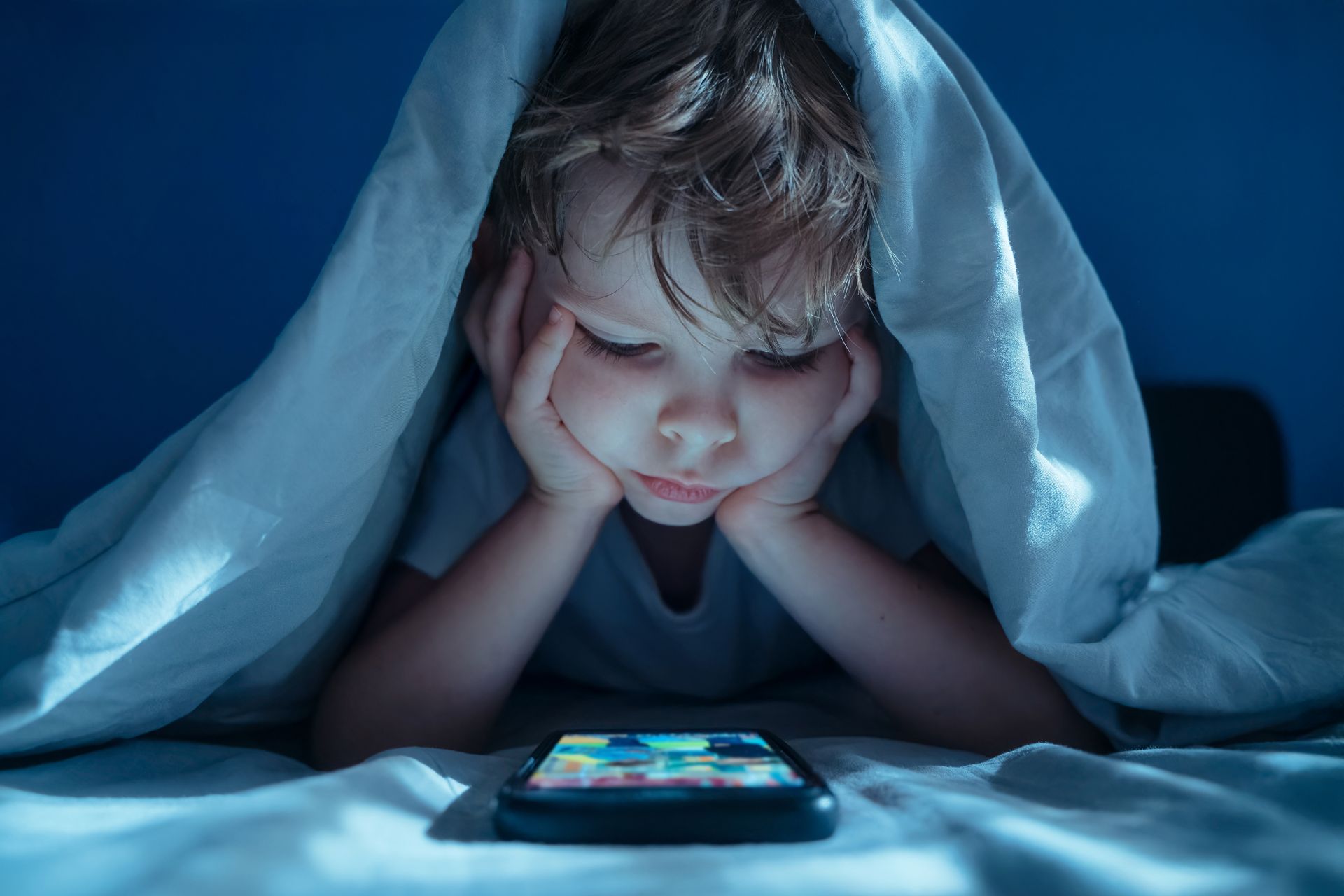
Reduce Screen Exposure Before Bed


Blue light and constant notifications can keep your nervous system activated. Scrolling late at night often increases comparison, overstimulation, and anxiety.


Consider:

  • Placing your phone on “Do Not Disturb”
  • Charging your device outside the bedroom
  • Gradually reducing screen time rather than eliminating it all at once


Replacing scrolling with reading, journaling, calming music, or light stretching can significantly improve sleep quality.


Prepare for Tomorrow to Reduce Nighttime Anxiety


One common cause of racing thoughts at night is unfinished tasks. Your brain tries to “rehearse” tomorrow’s responsibilities while you are attempting to rest.


Spend five minutes writing down:

  • Important tasks
  • Appointments
  • Priorities


Creating a simple list allows your mind to release the need to mentally manage it overnight.


Add One Predictable Calming Activity


You do not need a complicated routine. Choose one calming practice and repeat it nightly.


Examples include:

  • Light stretching
  • Deep breathing exercises
  • A warm shower
  • Herbal tea
  • Brief gratitude journaling


Consistency matters more than complexity. A small, repeatable ritual helps reinforce relaxation.


Protect Your Sleep Environment


Your bedroom should support rest, not stress.


Consider:

  • Keeping the room cool
  • Dimming lights in the evening
  • Using blackout curtains if needed
  • Reserving the bed primarily for sleep


Over time, your brain associates the environment with calm rather than stimulation.


When an Evening Routine Is Not Enough


Lifestyle strategies are powerful, but persistent sleep disturbances or nighttime anxiety may signal something more than temporary stress.


If you experience:

  • Ongoing racing thoughts
  • Chronic insomnia
  • Frequent nighttime panic
  • Anxiety that interferes with daily life


It may be beneficial to seek professional guidance.


Residents of Mt. Pleasant, SC and the surrounding Charleston area have access to local psychiatric services that can help determine whether symptoms are stress-related or part of an anxiety disorder.


Improving mental health does not always begin with a major change. Sometimes, it starts with how you close the day — and knowing when to seek additional support.


Frequently Asked Questions


Can an evening routine really improve anxiety?

Yes. A consistent evening routine helps regulate the nervous system, reduce overstimulation, and improve sleep quality — all of which support anxiety management.


How long does it take for a new routine to help?

Many people notice improvements within a few weeks of consistent practice. The key is repetition and predictability.


When should I seek help for nighttime anxiety in Mt. Pleasant, SC?

If racing thoughts, insomnia, or anxiety persist despite lifestyle changes, a psychiatric evaluation may help determine if additional treatment is appropriate.


Are anxiety and sleep disorders treatable?

Yes. Both anxiety disorders and sleep disturbances are treatable through therapy, lifestyle interventions, and when clinically appropriate, medication management.


Support for Mental Health in Mt. Pleasant, SC


If you live in Mt. Pleasant, SC and struggle with nighttime anxiety, poor sleep, or persistent stress, you do not have to manage it alone.


A professional evaluation can provide clarity and a personalized treatment plan designed to improve your mental health and overall well-being.


Contact our office today to schedule an appointment and take the next step toward better rest and emotional balance.

Disclaimer: The information provided on this blog is for general informational purposes only and is not intended as, and should not be considered, medical advice. All information, content, and material available on this blog are for general informational purposes only. Readers are advised to consult with a qualified healthcare professional for medical advice, diagnosis, or treatment. The author and the blog disclaim any liability for the decisions you make based on the information provided. Always seek the advice of your physician or other qualified health provider with any questions you may have regarding a medical condition.
Hands holding two circular cards: one red with a sad face and one green with a happy face.
April 16, 2026
Feeling more irritable lately in Mt. Pleasant, SC? Learn what mood changes may signal and when to seek professional mental health support.
A black alarm clock set to 8:00 sits next to a red jigsaw puzzle piece that reads
April 8, 2026
Learn how to set healthy boundaries without guilt in Mt. Pleasant, SC. Discover practical strategies to reduce burnout and protect your mental health.
A person with a worried expression sits with their hands clasped together near their mouth in a bedroom setting.
April 2, 2026
Struggling with overthinking in Mt. Pleasant, SC? Learn practical strategies to calm racing thoughts and discover when professional anxiety support may help.
A person with long hair stands by a river at sunset, framed by golden sunlight and overhanging tree branches.
March 26, 2026
Feeling mentally overwhelmed in Mt. Pleasant, SC? Learn practical reset strategies and when to seek professional support for anxiety or chronic stress.
A professional wearing glasses sits at a desk, rubbing their eyes in a dimly lit office while working at a computer.
March 13, 2026
Learn the difference between stress and anxiety disorders in Mt. Pleasant, SC. Discover symptoms, when to seek help, and treatment options available locally.
Two women sit on a couch by a window, talking in a calm, supportive setting.
March 6, 2026
Learn what happens during your first psychiatric evaluation in Mt. Pleasant, SC. Discover appointment length, medication expectations, insurance coverage, and how to prepare for your visit.
A mother adjusts her daughter's backpack as her son looks on, at the doorway.
September 10, 2025
Ease back-to-school stress with expert mental health tips for kids and parents. Learn how virtual therapy can help your family adjust with confidence
man waking up from bed holding a cup in his hand, with the morning sunlight streaming through a wind
June 16, 2025
Key Points: A consistent morning routine reduces stress, boosts energy, and increases productivity. You don’t need an elaborate routine—10–15 minutes can make a difference. What you do isn’t as important as how it makes you feel. Avoid starting your day with screens or stress triggers. A good morning sets the tone for your entire day. Starting the day can be tough—especially when your alarm goes off and your to-do list hits you like a wave. But what if just 10–15 minutes in the morning could make your whole day feel more manageable? That’s the power of a good morning routine —and it doesn’t have to be complicated. At Harborside Psychiatry , we believe that mental wellness begins with small, intentional steps. And your morning is the perfect place to start. Do’s Here are some simple habits that can help you start the day feeling calmer, more energized, and in control. Ease into the Day Start slow. You don’t have to leap out of bed the second your alarm rings. Give yourself a few peaceful minutes to stretch, breathe, and gently wake up. Open the curtains to let in natural light—sunlight boosts your energy and helps regulate your sleep-wake cycle. Eat Breakfast Fuel your body with something nourishing. Even a light breakfast—like fruit, yogurt, or nuts—can help prevent energy crashes later in the morning. Bonus points if you hydrate too! Water before coffee is always a smart move. Read Reading—even just a few pages—can help you focus and ease your brain into the day. Whether it’s a chapter of a novel, a meditation quote, or a short article, reading quiets mental noise and gets you thinking creatively. Stimulate Your Body You don’t need to hit the gym at 5 a.m. A short walk, a few stretches, or a couple of yoga poses can wake up your body and improve your mood. Exercise boosts your feel-good brain chemicals and helps lower stress levels throughout the day. Begin Work with a Proactive Mindset Instead of reacting to emails or social media first thing, take five minutes to set an intention or jot down a few priorities. This helps you start the day with clarity instead of chaos. Don’ts Here are a few habits to avoid if you want to feel less overwhelmed in the morning: Don’t dive straight into your phone : Social media, emails, and news can instantly spike stress. Don’t skip breakfast : Coffee alone won’t fuel you for long. Don’t overload your routine : You don’t need to do everything—just a few things that feel good to you. Don’t rush : Even if you only have 10 minutes, give yourself permission to move slowly and mindfully. Ideas Not sure where to start? You don’t have to copy what works for someone else. A morning routine that works for you is one that fits your life and supports how you want to feel. Try out a few of these: Light stretching or yoga Drinking water with lemon Journaling or gratitude lists Playing uplifting music A short meditation or breathwork Stepping outside for fresh air Setting an intention like “calm,” “focus,” or “joy” Even doing three out of five things is a win. The goal isn’t perfection—it’s consistency and intention. FAQs About Morning Routines What’s the best way to start a morning routine? Start small. Pick 2–3 things you enjoy and stick with them for a week or two. Once they become habits, you can add more. Keep it simple and doable. Do I have to wake up early to have a good morning routine? Nope! It’s not about waking up at 5 a.m.—it’s about what you do with the time you have. Even 10–15 minutes of calm, consistent actions can set you up for a better day. Is it okay to skip my routine on busy days? Absolutely. Life happens. The goal isn’t to follow your routine perfectly every single day—it’s to create something that supports you most of the time. Be flexible and kind to yourself. FAQs About Harborside Psychiatry What services does Harborside Psychiatry offer? We offer mental health services including therapy, psychiatric evaluations, medication management, and support for stress, anxiety, depression, and more. We help patients build sustainable wellness routines—morning routines included. How can I become a patient at Harborside Psychiatry? Visit www.harborsidepsych.com and use our contact form or call us directly to schedule an appointment. We’re happy to answer any questions you may have. Do you provide virtual appointments? Yes, we offer telepsychiatry and virtual therapy appointments for your convenience. Final Thoughts Your morning doesn’t have to be perfect, long, or packed with tasks. The power of a good morning routine lies in how it makes you feel—grounded, calm, and ready for the day ahead. Whether it’s stretching, sipping tea, or reading a few pages of your favorite book, start small and stay consistent. The benefits will build over time. If you need support building better routines or improving your emotional well-being, the team at Harborside Psychiatry is here to help.
dad and son fishing in south carolina
May 28, 2025
Learn simple grounding techniques to stay calm when feeling frustrated or overwhelmed. Explore mindfulness, meditation, and breathwork strategies from Harborside Psychiatry.
happy family of 4 outside in field
March 20, 2025
Discover effective strategies for managing stress and anxiety this spring with our comprehensive guide to seasonal mental wellness. Learn practical mindfulness techniques, sleep optimization, and more.