ADHD and Daily Habits: How Sleep, Nutrition, Exercise, and Routine Fit Into Treatment in Mt. Pleasant, SC
Key Takeaways
- ADHD treatment is often most effective when it considers both clinical care and everyday habits.
- Sleep can influence attention, mood, energy, and impulse control.
- Regular meals and balanced nutrition can support steady energy throughout the day.
- Physical activity may help support attention, mood, and overall well-being.
- Consistent routines can reduce the amount of decision-making required throughout the day.
- Healthy habits do not replace appropriate ADHD treatment, but they can complement it.
- Small, realistic changes are often easier to maintain than trying to change everything at once.
Living with ADHD is about more than managing symptoms during an appointment or deciding whether medication is appropriate. What happens between appointments matters, too.
Sleep schedules, meals, movement, screen habits, routines, and daily structure can all influence how a person feels and functions. For someone with ADHD, these everyday factors may make it easier—or harder—to manage attention, impulsivity, motivation, and emotional regulation.
That does not mean ADHD can be solved simply by "being more disciplined" or changing your lifestyle. ADHD is a neurodevelopmental condition, and many people benefit from professional evaluation and treatment. But healthy daily habits can be an important part of a broader treatment plan.
For individuals and families in Mt. Pleasant, SC, understanding how these pieces fit together can make ADHD care feel more practical and manageable.
Why Daily Habits Matter With ADHD
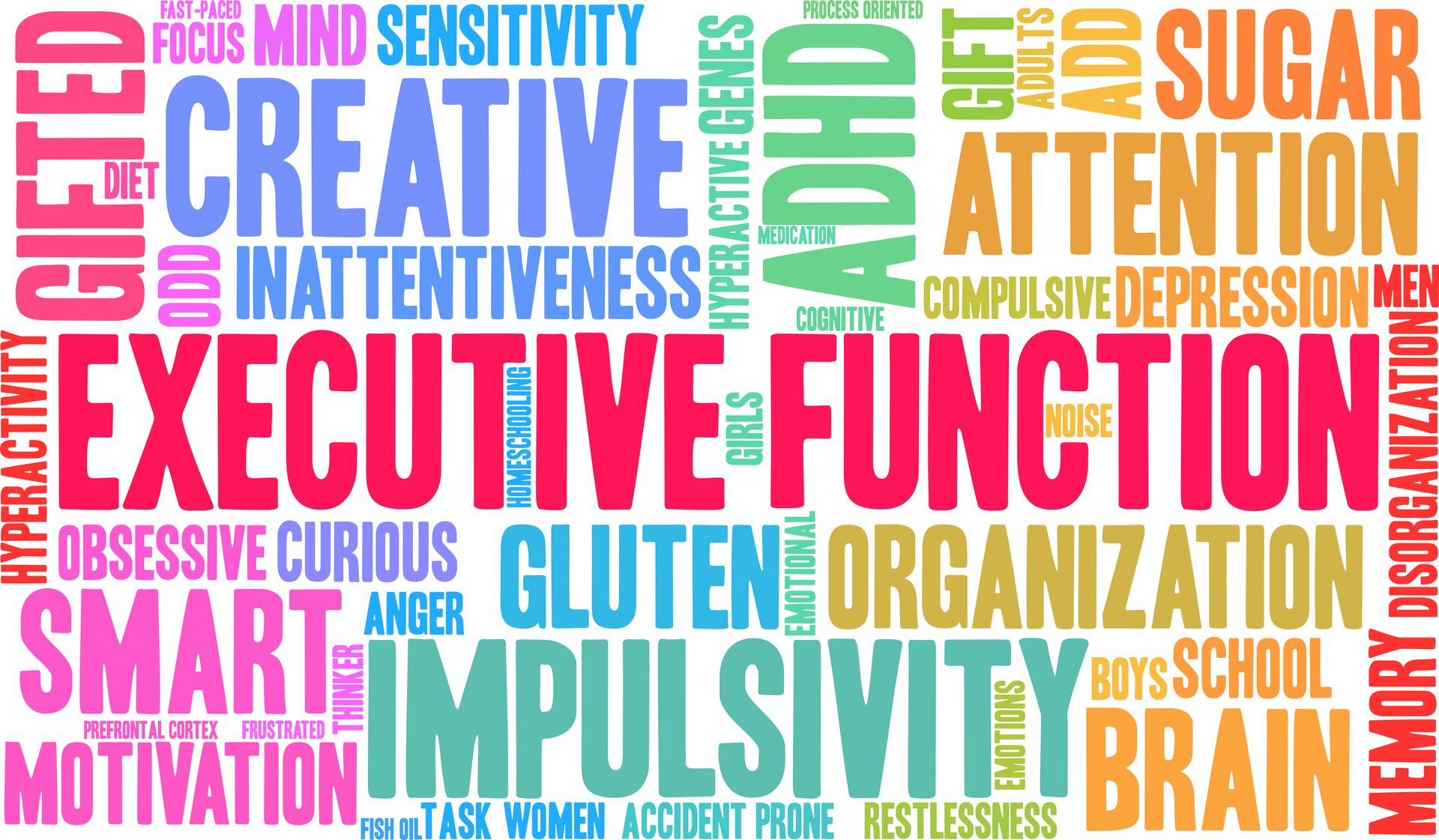
ADHD can affect executive functioning—the mental skills involved in planning, organizing, starting tasks, maintaining attention, and managing impulses.
When those skills are already challenging, an inconsistent daily routine can create additional obstacles.
For example, someone who regularly stays up late may begin the next day already feeling tired and unfocused. Skipping meals may make it harder to maintain steady energy. A lack of structure can make it difficult to know where to begin when there are several responsibilities competing for attention.
These factors do not cause ADHD, but they can influence how noticeable or manageable certain difficulties feel.
The goal isn't perfection. It is creating an environment that makes healthy choices and consistent routines easier to maintain.
Sleep: Start With the Foundation
Sleep is one of the most important daily habits to consider when managing ADHD.
Poor or insufficient sleep can affect concentration, alertness, mood, reaction time, and decision-making. When someone with ADHD is already struggling with attention or impulse control, being consistently tired can make those challenges feel even more difficult.
A consistent sleep and wake schedule can help create predictability. Other helpful habits may include keeping a regular bedtime, limiting stimulating activities close to bedtime, and creating a bedroom environment that supports restful sleep.
If sleep problems are persistent, it is worth discussing them with a healthcare professional rather than assuming they are simply part of ADHD.
Nutrition: Consistency Matters
There is no single "ADHD diet" that works for everyone, and nutrition should not be presented as a cure for ADHD.
However, regular, balanced meals can support overall health and help maintain steady energy throughout the day.
For children and adults with ADHD, busy schedules and difficulties with planning can sometimes make eating consistently challenging. Someone may become so absorbed in a task that they forget to eat, while others may rely heavily on convenient foods when planning meals feels overwhelming.
Simple strategies can help:
- Keep easy, nutritious foods available.
- Establish regular meal and snack times when appropriate.
- Plan meals ahead when possible.
- Stay adequately hydrated.
- Discuss significant dietary changes or nutritional concerns with a healthcare professional.
The objective is not to create a complicated food plan. It is to make regular nourishment easier to maintain.
Exercise and Movement
Physical activity is another piece of overall well-being that may support people with ADHD.
Exercise can benefit physical health, sleep, stress management, and mood. Some people also notice that movement helps them feel more alert or ready to focus.
This does not have to mean following an intense workout program.
Walking, biking, swimming, playing outside, recreational sports, or simply taking movement breaks during the day can all be reasonable ways to incorporate activity.
For children, regular opportunities to move can be especially important because sitting still for extended periods may be difficult. Building movement into the day can be more realistic than expecting a child to remain sedentary for long periods.
The key is finding activity that is safe, enjoyable, and sustainable.
Routine Creates Structure
Routine can be especially valuable when executive functioning is difficult.
A predictable morning routine, homework routine, work schedule, or bedtime routine can reduce the number of decisions a person has to make throughout the day.
For example, instead of asking:
"What should I do next?"
a routine can provide a simple sequence:
Wake up → get dressed → eat breakfast → take medication if prescribed → prepare for the day → leave.
For children, visual schedules, checklists, reminders, and consistent expectations can make routines easier to understand and follow.
For adults, calendars, alarms, task lists, and designated places for frequently used items can serve a similar purpose.
Structure is not about controlling every minute of the day. It is about creating enough predictability to make daily responsibilities easier to manage.
Discipline, Rewards, and Accountability
Healthy routines are easier to maintain when expectations are clear and progress is reinforced.
For children especially, immediate and appropriate rewards can sometimes be more motivating than distant consequences. A simple system might recognize completing a morning routine, finishing homework, or following an agreed-upon bedtime.
Adults can use similar principles by creating small incentives for completing tasks or maintaining routines.
Accountability also matters. This might mean checking in with a parent, partner, teacher, coach, or healthcare professional.
Importantly, accountability should not become shame or punishment. The goal is to help someone develop skills and recognize progress—not make them feel like they are failing when something doesn't go as planned.
What About Medication?
Daily habits and ADHD medication are not necessarily either-or choices.
For some people, medication is an important part of treatment. For others, treatment may involve behavioral strategies, organizational support, lifestyle changes, therapy or coaching, or a combination of approaches depending on their individual needs.
Medication should be evaluated based on the person's symptoms, goals, response to treatment, and overall health. If symptoms remain challenging, the answer is not always simply increasing a dose.
A comprehensive approach looks at the bigger picture: Is the person sleeping well? Are there other factors affecting concentration? Is the medication helping? Are routines realistic? Are there coexisting concerns that need attention?
That broader perspective can help guide more individualized treatment decisions.
Small Changes Can Make a Difference
Trying to completely overhaul a person's schedule overnight can quickly become overwhelming.
Instead, start with one or two changes.
Maybe the first goal is a more consistent bedtime. Then, once that becomes easier, focus on preparing breakfast the night before. Later, add a short daily walk or create a simple morning checklist.
The goal is consistency—not perfection.
For children, parents and caregivers can model these habits rather than simply telling a child to "try harder." Building structure into the environment can make expectations easier to follow.
For adults, the same principle applies: instead of relying entirely on willpower, create systems that make the desired behavior easier.
A Whole-Person Approach to ADHD Care
ADHD treatment works best when it reflects the individual rather than following a one-size-fits-all formula.
Medication may be appropriate for one person but not another. One child may benefit significantly from a structured routine and behavioral strategies, while another may need additional support. An adult may discover that improving sleep, organization, and daily structure helps them make better use of their existing treatment.
These factors do not replace professional ADHD care. They are pieces of a larger picture.
At Harborside Integrative Psychiatry, ADHD care can take into account the person's symptoms, daily functioning, health, goals, and individual circumstances. A comprehensive evaluation can help determine what areas deserve attention and what treatment approach may be appropriate.
For patients in Mt. Pleasant and throughout South Carolina, the first step is often simply understanding what is getting in the way.
Frequently Asked Questions
Can changing my daily habits improve ADHD symptoms?
Healthy habits may help support attention, energy, mood, sleep, and overall functioning, but they do not cure ADHD. Daily strategies are best viewed as one part of a broader treatment plan. If symptoms continue to interfere with school, work, relationships, or daily responsibilities, professional evaluation may be helpful.
How much sleep should someone with ADHD get?
Sleep needs vary by age and individual circumstances. Adults generally need around 7–9 hours of sleep per night, while children and teenagers typically need more. If someone is regularly getting enough time in bed but still feels excessively tired or has significant difficulty sleeping, it may be worth discussing the problem with a healthcare professional.
Should children with ADHD have strict routines?
Consistent routines can be helpful for many children with ADHD because they create predictability and reduce the need to remember multiple steps independently. However, routines should be age-appropriate and flexible enough to accommodate real-life situations. Parents can work with healthcare and school professionals to determine what type of structure is most appropriate for their child.
Does exercise replace ADHD medication?
No. Exercise can support overall physical and mental well-being, but it should not automatically be considered a replacement for clinically appropriate ADHD treatment. Treatment decisions should be individualized based on a person's symptoms, functioning, health, and goals.
Where can I get ADHD support in Mt. Pleasant, SC?
If ADHD symptoms are affecting daily life, work, school, relationships, or family routines, a psychiatric evaluation can help clarify what may be contributing to those difficulties. At Harborside Integrative Psychiatry in Mt. Pleasant, SC, care can be tailored to the individual's needs and circumstances.
Take the Next Step
Managing ADHD is rarely about finding one perfect solution.
It is often about understanding the individual, identifying what is making daily life harder, and building a treatment plan that addresses more than symptoms alone.
Sleep, nutrition, movement, routine, accountability, and appropriate clinical care can all have a place in that process.
If you or your child is struggling with ADHD symptoms, consider taking the next step toward a more personalized understanding of what is happening. A psychiatric evaluation can provide an opportunity to discuss concerns, goals, and treatment options in a supportive setting.
Harborside Integrative Psychiatry serves patients in Mt. Pleasant and throughout South Carolina with a whole-person approach to mental health care.
Lauren Berry, PMHNP-BC
Harborside Integrative Psychiatry
Disclaimer: The information provided on this blog is for general informational purposes only and is not intended as, and should not be considered, medical advice. All information, content, and material available on this blog are for general informational purposes only. Readers are advised to consult with a qualified healthcare professional for medical advice, diagnosis, or treatment. The author and the blog disclaim any liability for the decisions you make based on the information provided. Always seek the advice of your physician or other qualified health provider with any questions you may have regarding a medical condition.