How Poor Sleep Affects Anxiety, ADHD, and Depression in Mt. Pleasant, SC
Key Takeaways
- Sleep plays a vital role in emotional regulation, concentration, memory, and overall mental health.
- Many individuals in Mt. Pleasant, SC notice that poor sleep can make symptoms of anxiety, ADHD, and depression feel more difficult to manage.
- Sleep problems do not necessarily cause mental health conditions, but they can contribute to worsening symptoms and affect daily functioning.
- Improving sleep quality is often an important part of a comprehensive mental health treatment plan.
- Understanding the relationship between sleep and mental health can help you recognize when it may be time to seek professional support.
- Harborside Integrative Psychiatry provides comprehensive 45–60 minute psychiatric evaluations that consider sleep, lifestyle, medical history, and emotional well-being.
- Individuals in Mt. Pleasant, SC and throughout South Carolina can schedule an appointment to better understand how sleep may be affecting their mental health.
Could Poor Sleep Be Affecting Your Mental Health?
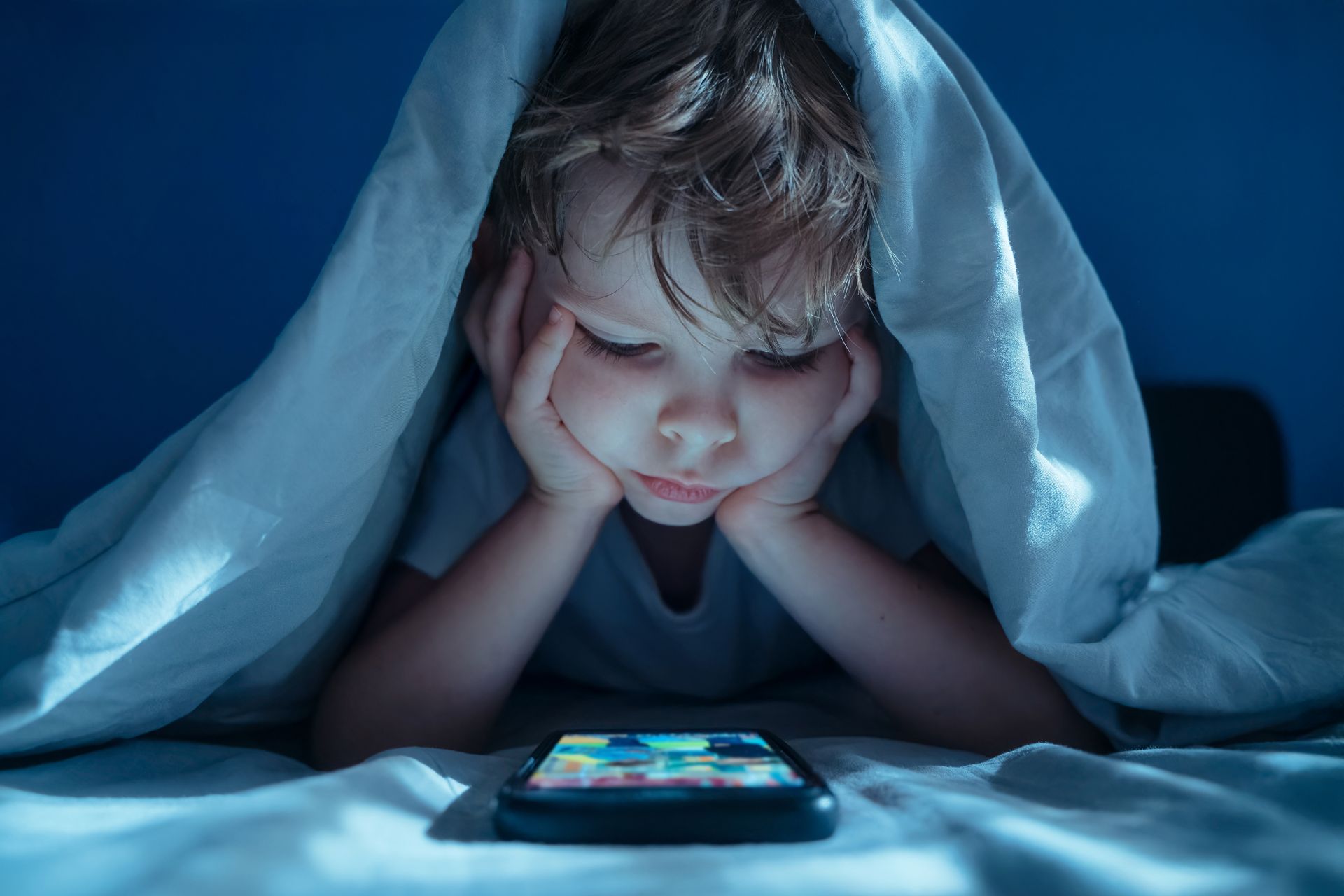
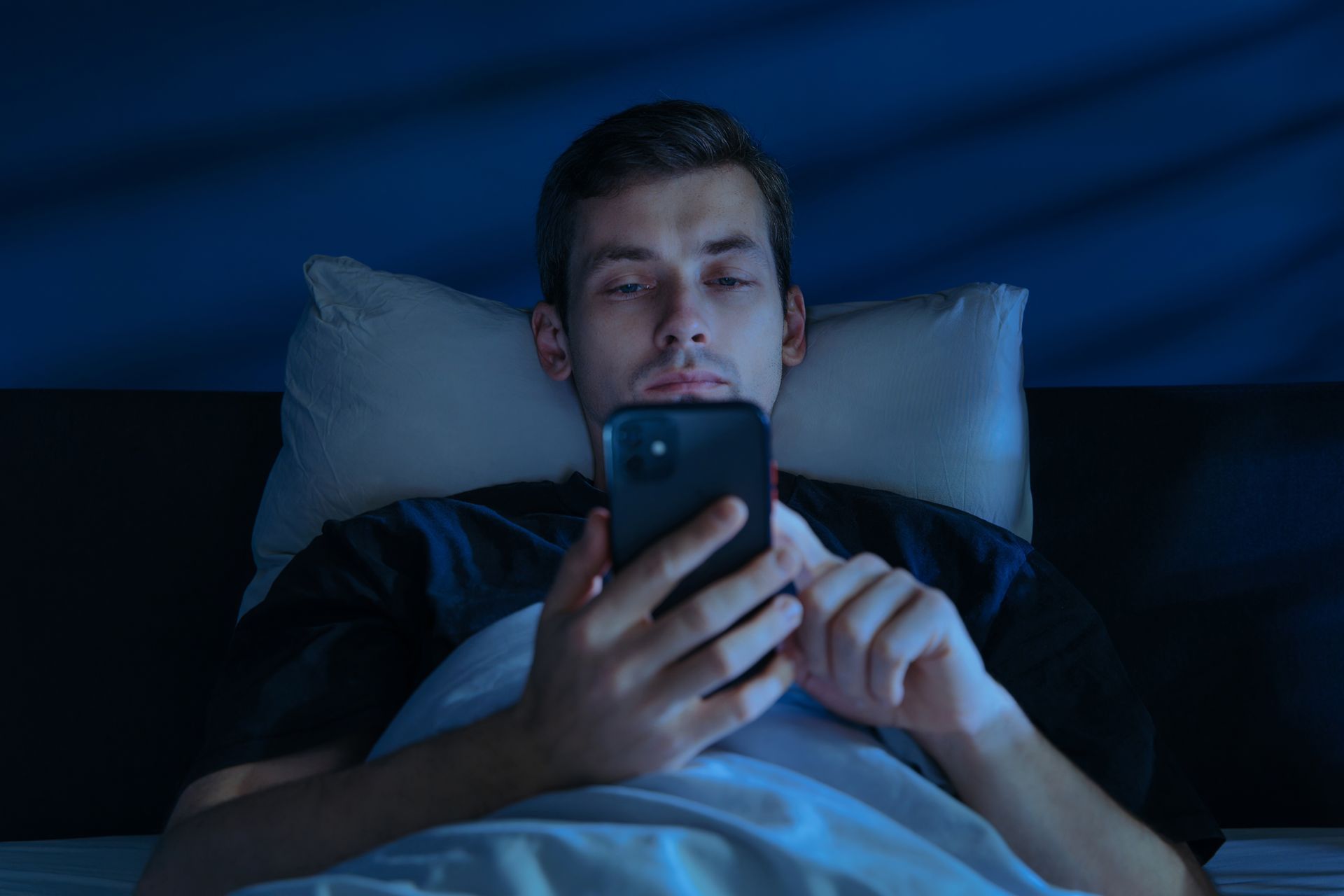
Most people know they feel tired after a poor night's sleep.
But what many don't realize is that sleep affects much more than energy levels.
Sleep plays an essential role in how the brain processes emotions, regulates attention, stores memories, and responds to stress.
For many individuals living in Mt. Pleasant, SC, poor sleep doesn't just lead to fatigue—it may also make anxiety feel stronger, attention more difficult to maintain, or low mood harder to overcome.
While improving sleep isn't a cure for every mental health condition, it is an important part of supporting overall emotional well-being.
Why Is Sleep So Important for Mental Health?
During sleep, the brain performs many essential functions that support emotional and cognitive health.
Healthy sleep helps the brain:
- Process emotions
- Consolidate memories
- Restore mental energy
- Regulate stress responses
- Maintain attention and concentration
- Support problem-solving and decision-making
When sleep is disrupted, these processes may not function as effectively, making it more difficult to cope with everyday challenges.
How Poor Sleep Can Affect Anxiety
When you're sleep deprived, your brain may become more reactive to stress.
You might notice:
- Increased worry
- Feeling more on edge
- Difficulty relaxing
- Racing thoughts
- Greater emotional sensitivity
- Feeling overwhelmed more easily
Many people describe feeling as though they have "less patience" or "less capacity" after several nights of poor sleep.
At the same time, anxiety itself can make it harder to fall asleep or stay asleep, creating a cycle in which sleep problems and anxiety reinforce one another.
How Poor Sleep Can Affect ADHD
Sleep and attention are closely connected.
When you don't get enough restorative sleep, it may become more difficult to:
- Stay focused
- Remember information
- Manage time
- Stay organized
- Complete tasks
- Control impulses
For individuals with ADHD, poor sleep may make existing symptoms feel more noticeable.
Even for people without ADHD, sleep deprivation can temporarily affect attention and concentration in ways that resemble ADHD symptoms.
Because these experiences can overlap, it's important not to assume that poor focus is caused by only one factor.
How Poor Sleep Can Affect Depression
Sleep and mood influence one another in many ways.
Individuals experiencing depression may notice changes in their sleep patterns, such as:
- Difficulty falling asleep
- Waking frequently during the night
- Sleeping much longer than usual
- Waking up feeling unrefreshed
Likewise, ongoing sleep problems may contribute to:
- Low energy
- Reduced motivation
- Difficulty concentrating
- Increased irritability
- Greater emotional distress
This relationship is complex, which is why a comprehensive evaluation considers both mood and sleep rather than viewing them separately.
Can Improving Sleep Improve Mental Health?
Healthy sleep habits can support overall mental well-being and may help reduce the impact of stress on daily functioning.
However, improving sleep alone may not fully resolve symptoms if an underlying mental health condition is also present.
For some individuals, persistent sleep difficulties may be one piece of a larger picture involving anxiety, ADHD, depression, or another condition.
Understanding the underlying cause is an important step toward receiving appropriate care.
Why a Comprehensive Evaluation Matters
Because sleep, mood, attention, and stress are closely connected, it's not always possible to identify the cause of symptoms based on sleep alone.
For example, difficulty concentrating may be related to:
- ADHD
- Anxiety
- Depression
- Chronic stress
- Poor sleep
- Or a combination of several factors
A comprehensive psychiatric evaluation helps explore these possibilities rather than focusing on a single symptom in isolation.
Harborside's Whole-Person Approach
At Harborside Integrative Psychiatry, sleep is considered an important part of understanding overall mental health.
During an evaluation, providers look at the whole picture, including:
- Sleep habits
- Daily routines
- Mood
- Anxiety symptoms
- Attention and concentration
- Medical history
- Lifestyle factors
- Individual goals and concerns
This integrative approach helps create personalized treatment recommendations based on each patient's unique needs.
When Should You Consider Seeking Support?
It may be helpful to schedule an evaluation if you experience:
- Difficulty sleeping most nights
- Persistent daytime fatigue
- Anxiety that worsens after poor sleep
- Difficulty concentrating despite adequate effort
- Ongoing low mood
- Sleep concerns that interfere with work, school, or relationships
A comprehensive evaluation can help determine whether your symptoms may be related to sleep, an underlying mental health condition, or a combination of factors.
What to Expect During a Mental Health Evaluation
Patients seeking care in Mt. Pleasant, SC can begin with a comprehensive psychiatric evaluation.
Initial appointments at Harborside Integrative Psychiatry typically last 45–60 minutes, allowing time to discuss symptoms, sleep patterns, medical history, lifestyle habits, and personal goals.
Depending on your concerns, the evaluation may explore:
- Sleep quality and routines
- Mood changes
- Anxiety symptoms
- Attention and executive functioning
- Medical history
- Daily functioning
This information helps guide evidence-based, individualized treatment recommendations.
Frequently Asked Questions
Can poor sleep cause anxiety?
Poor sleep can increase feelings of stress and make anxiety symptoms more noticeable. Anxiety can also make it harder to sleep, creating a cycle that may require professional support.
Can lack of sleep make ADHD symptoms worse?
Yes. Poor sleep can make attention, memory, organization, and impulse control more difficult, particularly for individuals with ADHD.
Does depression affect sleep?
It can. Some people with depression experience insomnia, while others may sleep longer than usual or still feel tired after sleeping.
How long are psychiatric evaluations?
Initial psychiatric evaluations at Harborside Integrative Psychiatry typically last 45–60 minutes, providing time to discuss your symptoms, sleep, lifestyle, and treatment goals.
Do you see patients in Mt. Pleasant, SC?
Yes. Harborside Integrative Psychiatry provides psychiatric care for individuals in Mt. Pleasant, SC and surrounding communities. Patients throughout South Carolina may also be eligible for care.
Schedule an Appointment in Mt. Pleasant, SC
If poor sleep is affecting your mood, concentration, or emotional well-being, support is available.
Harborside Integrative Psychiatry provides comprehensive psychiatric evaluations for individuals in Mt. Pleasant, SC and throughout South Carolina. Through a personalized, evidence-based, whole-person approach, we work with each patient to better understand how sleep, mental health, and lifestyle factors interact.
If you're ready to better understand how your sleep may be affecting your mental health, scheduling an evaluation is an important first step.
Disclaimer: The information provided on this blog is for general informational purposes only and is not intended as, and should not be considered, medical advice. All information, content, and material available on this blog are for general informational purposes only. Readers are advised to consult with a qualified healthcare professional for medical advice, diagnosis, or treatment. The author and the blog disclaim any liability for the decisions you make based on the information provided. Always seek the advice of your physician or other qualified health provider with any questions you may have regarding a medical condition.